
Keyboard Dust Cover for Universal Computer Keyboard
4.6Editor score
Waterproof 420D nylon construction
Fits full-size and 108-key keyboards
Washable, foldable, and flexible
Keyboard Dust Cover guide comparing 10 protective covers for computer, mechanical, and digital piano keyboards, including fit, materials, coverage, and care.
A keyboard dust cover is a simple layer of protection that can keep dust, pet hair, food residue, moisture, and static-related contaminants away from switches and keys. The right choice depends on keyboard size, shape, material, and whether you want soft fabric coverage or a rigid shield that remains on the desk.
This guide compares ten keyboard dust covers for standard computer keyboards, mechanical gaming keyboards, and digital pianos. We evaluated the supplied ratings, dimensions, materials, closure methods, protective features, cleaning guidance, and compatibility claims, while noting where measurements and key counts must be checked before buying.
Each review explains the product's strongest benefits, practical limitations, and ideal owner. The top picks include a flexible fabric option for broad computer-keyboard use, a clear rigid shield for desktop protection, and a fitted piano cover; prices and availability can change, so confirm current listings before purchasing.
4.6Editor score

4.8Editor score

4.7Editor score
The comparison below highlights the major differences in device type, construction, size, closure method, and cleaning needs. Use it to narrow the field before checking the detailed reviews, and always compare the listed dimensions with your own keyboard.




This stretchable fabric sleeve is designed for common 75%, 80%, 96%, and full-size PC keyboards, combining a simple pull-over design with a useful amount of dimensional flexibility. Its 4.4 rating indicates generally favorable customer reception, although the most important buying consideration is whether the stated range corresponds to the exact dimensions and depth of the keyboard you own.
We may earn a commission when you buy through this link, at no additional cost to you.
The cover can stretch from 14.9 by 5.9 by 1.57 inches to 19.5 by 7.5 by 1.57 inches. That range gives it flexibility around smaller office keyboards and many mainstream gaming boards, while the listed compatibility includes models from Logitech, Razer, Dell, Rapoo, and other brands. The soft, lightweight fabric is intended to reduce the chance of scratches while shielding the keyboard from dust, mist, hair, and dirt.
Installation is straightforward: the sleeve is pulled over the keyboard and allowed to conform to its shape. It can be removed just as quickly when the keyboard is in use, folded for storage, and washed when it becomes dirty. The main limitation is that this remains a fabric protector rather than a rigid spill shield, so it does not create a hard barrier over the keys or keep liquids away from an open desktop.
This is a sensible choice for people who want inexpensive, flexible protection without the bulk of a rigid enclosure. Measure the keyboard's width, depth, and height before ordering, paying particular attention to thick desk-mounted models. If it sits within the supplied range, the combination of broad layout compatibility, washable construction, and simple handling makes it a practical general-purpose cover.
The generous stretch range is the cover's most useful feature for buyers comparing several keyboard sizes. It can accommodate compact layouts and many full-size boards without requiring a rigid, precisely molded enclosure.
The lightweight fabric helps keep dust and hair away while avoiding the visual weight of a permanent acrylic hood. It also folds down neatly when the keyboard is in active use.
We may earn a commission when you buy through this link, at no additional cost to you.
This keyboard cover uses a pliable antistatic copolymer rather than fabric, giving standard-size PC keyboards a smooth protective skin with a more structured feel. The product carries a 4.4 rating and is offered in a larger 18-inch-wide format with coconut cream coloring and blue trim, making it as much a visual accessory as a practical dust barrier.
We may earn a commission when you buy through this link, at no additional cost to you.
Its smooth construction is intended to help keep the keyboard free from dust, moisture, and static while also reducing exposure to everyday wear, food residue, and other contaminants. Because vinyl can be wiped rather than laundered, it may appeal to people who want quick cleanup after crumbs or accidental contact with the desk. The stated large size is 18 inches wide by 7 inches deep with a 2-inch height.
Fit is the primary consideration. The product is marketed for standard-size PC keyboards and is explicitly available in a larger version, but the dimensions are fixed rather than stretchable. A compact 75% keyboard may have too much loose material, while a full-size board with a raised frame, wrist rest, or unusually deep rear housing could exceed the available 2-inch height. Checking those measurements avoids an unnecessarily loose or strained fit.
This cover suits a conventional full-size desktop keyboard where smooth cleaning and moisture resistance matter. It is less appropriate for a digital piano, a compact board requiring a tight envelope, or a user who wants a transparent rigid shield that can remain over the keyboard while typing. Within standard PC-keyboard use, the smooth finish, antistatic material, and measured styling make it a polished alternative to ordinary cloth sleeves.
The silky-smooth vinyl is practical for office users who want to wipe away crumbs or surface marks rather than remove a fabric cover and wash it. The material also provides a different feel from elastic or woven sleeves.
Antistatic construction can be useful in a tidy workspace where buildup and static are concerns. The stated moisture resistance adds another layer of everyday protection, although it should not be treated as a waterproof enclosure.
We may earn a commission when you buy through this link, at no additional cost to you.
This high-elasticity spandex cover is specifically shaped for 61-key digital pianos, offering a closer fit than a generic rectangular computer-keyboard sleeve. With a 4.6 rating, it stands out for its combination of full dust protection, a locking closure, broad brand compatibility, and a matching drawstring pouch for transport or compact storage.
We may earn a commission when you buy through this link, at no additional cost to you.
The cover wraps the keyboard, music stand, and sheet music together, according to the supplied product information. A heavy-duty round elastic and ABS cord lock are intended to keep the material from slipping, sagging, or gaping. Its stretch construction is listed as suitable for many 61-key models from Yamaha, Casio, Roland, Kawai, Korg, and other major brands, although a specific model should still be measured before purchase.
Maintenance is straightforward because the fabric can be hand washed or machine washed and is described as resistant to shrinking, fading, and staining. The included pouch is a useful distinction from many fabric piano covers: musicians can fold the lightweight protector and carry it between a home, rehearsal room, studio, or performance venue. The tradeoff is that the design is narrowly focused on 61-key instruments and does not cover 76- or 88-key boards.
This is a strong recommendation for a musician who owns a 61-key digital piano and wants a close-fitting cover that stays secure. It is especially useful when the instrument is shared with children, exposed to pet hair, or kept in a room where dust settles quickly. Confirm the 61-key layout and the shape of the music stand, and the cover should deliver a tidy, secure, and portable protective solution.
Elastic spandex follows the contours of a 61-key instrument more closely than a loose rectangular cover. The cord lock adds the tension needed to help prevent the fabric from shifting during storage or transport.
The included drawstring pouch makes the cover easier to organize between locations. It is a particularly thoughtful accessory for students, touring musicians, and performers who move between rehearsal spaces.
We may earn a commission when you buy through this link, at no additional cost to you.
This universal fabric pouch is one of the most versatile computer-keyboard covers in the guide, with a stated size of 20.8 by 11 inches and compatibility with full-size, 108-key, mechanical, Logitech, and iMac Magic-style layouts. Its 4.6 rating reflects a well-received balance of flexible sizing, practical closures, and washable construction.
We may earn a commission when you buy through this link, at no additional cost to you.
The outer material is 420D waterproof nylon Oxford cloth with a smooth inner layer. According to the supplied information, it helps protect against dust, mist, moisture, and static while also reducing exposure to water and oil stains. That makes it a practical option for homes with pets, since the cover is designed to help keep cat hair from entering the key gaps and discourage a pet from stepping on the keyboard when it is unattended.
Double zippers along the bottom allow the keyboard to be inserted and removed without forcing a large, rigid opening through the fabric. The cover can be hand washed, wiped clean, folded, and reused. Precision stitching is part of the stated construction, while the flexible material can adjust somewhat to the keyboard's shape. That combination gives it more practical all-around value than a thin disposable shield.
This is the best budget pick for owners of full-size PC or 108-key mechanical keyboards who want more protection than a thin cloth sleeve without carrying a bulky acrylic hood. The most important limitation is size: 20.8 by 11 inches is unlikely to fit a 60%, 65%, or compact 75% board neatly. Measure first, especially if the keyboard includes a wrist rest, raised rear section, or nonstandard frame.
The 420D nylon Oxford exterior is designed to resist moisture, dust, and common surface stains. It offers useful spill protection during daily use, though the flexible construction is not the same as a sealed rigid cover.
At 20.8 by 11 inches, the pouch is aimed at 108-key and other full-size keyboards. Flexible fabric and double zippers make repeated installation easier than forcing a fixed-size shell over a board.
We may earn a commission when you buy through this link, at no additional cost to you.
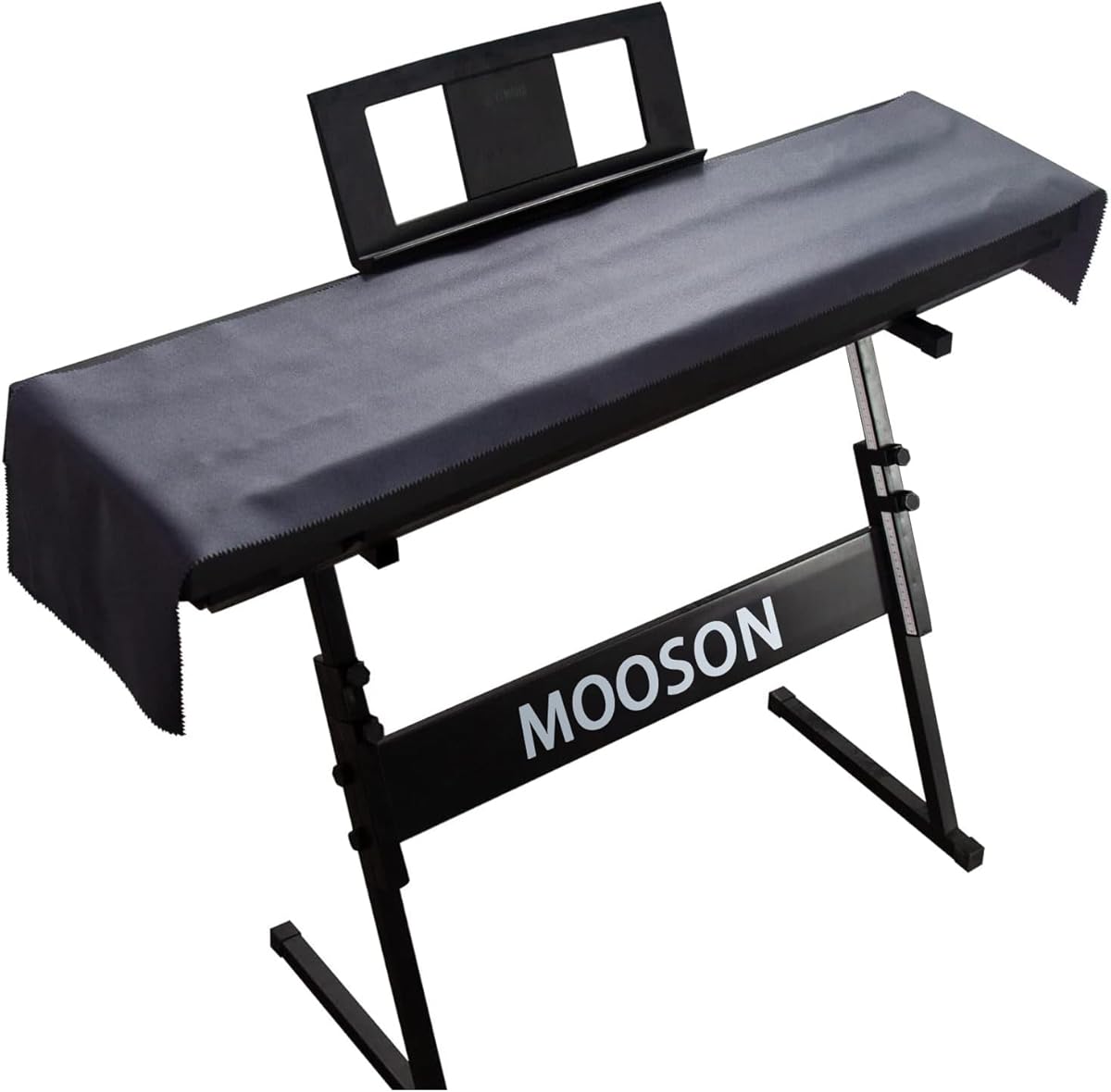
This long black digital-piano cover is designed as a broad, soft enclosure for instruments ranging from 61 to 88 keys. Its 4.6 rating, approximately 67 by 11.7-inch size, and simple over-key installation make it a versatile option for musicians who want a single protective style across different keyboard configurations.
We may earn a commission when you buy through this link, at no additional cost to you.
The listed material is described as soft, waterproof, and dustproof, with a premium surface intended to protect a digital piano from common airborne contaminants. The cover is placed over the keyboard rather than secured with a zipper or cord, which keeps the basic process very uncomplicated. The supplier also cites more than a decade of piano-cover design experience, lending some context to the product's specialized construction.
The product's greatest advantage is its claimed one-size approach across 61-, 76-, and 88-key instruments. However, dimensions and key count alone do not guarantee coverage of a complete piano setup. The 67-inch length may extend well beyond a compact stage keyboard, and the cover may not fully surround a music stand, pedal assembly, or thicker rear housing. Those structural differences matter more than the label alone.
This cover is best for a digital piano owner who wants a straightforward black fabric layer that can protect the exposed keybed from dust and hair. It is less suited to a performer who needs a precisely fitted, compact travel cover or someone expecting the product to enclose an entire stand. Measure the complete instrument and inspect how the cover drapes before ordering, particularly for unusual or highly portable piano designs.
The stated support for 61 through 88 keys gives the product broad appeal to home and stage musicians. The long format can create substantial coverage, but it may also be more fabric than a compact setup needs.
The soft surface is intended to cover the keys without the hard contact associated with a molded shell. Its waterproof and dustproof fabric also supports routine housekeeping around a frequently used instrument.
We may earn a commission when you buy through this link, at no additional cost to you.
Coolrunner's piano cover uses elastic nylon with a nylon cord and locking clasp to create a close fit across 61-, 76-, and 88-key instruments. The 4.6 rating and straightforward adjustable design make it a well-rounded fabric option for musicians who want more security than a loose sheet-style cover.
We may earn a commission when you buy through this link, at no additional cost to you.
The material is described as soft, durable, and stretchable, helping it conform to the keyboard while limiting the entry of dust and dirt. Two size options are available for the stated key-count ranges, so choosing the appropriate version is an important part of ordering. The closure system adds practical tension and helps the cover remain gathered rather than loosely draped.
Cleaning is convenient because the cover can be placed in a washing machine or hand washed. Hand washing is recommended to extend its useful life, and the product should not be washed with other clothing. Its main limitation is that this is a general-fit design rather than a model-specific enclosure, so unusual piano bodies, detachable music stands, and deep rear panels may affect how completely the fabric reaches.
The cover is well suited to piano owners in homes, studios, and rehearsal rooms who want a washable, adjustable layer of protection. It is also a sensible option for someone whose instrument has a conventional 61-, 76-, or 88-key layout but does not need the exact fit of a tailored cover. Confirm the selected size, measure the instrument, and check the shape of the music stand before buying.
The cord-and-clasp system provides a simple way to tighten the cover around the keyboard. That added tension can make the cover look neater and may help reduce loose fabric around the keybed.
Machine-washable construction makes routine cleaning straightforward. Hand washing is the gentler option recommended by the supplier and may help preserve the elastic fabric over time.
We may earn a commission when you buy through this link, at no additional cost to you.
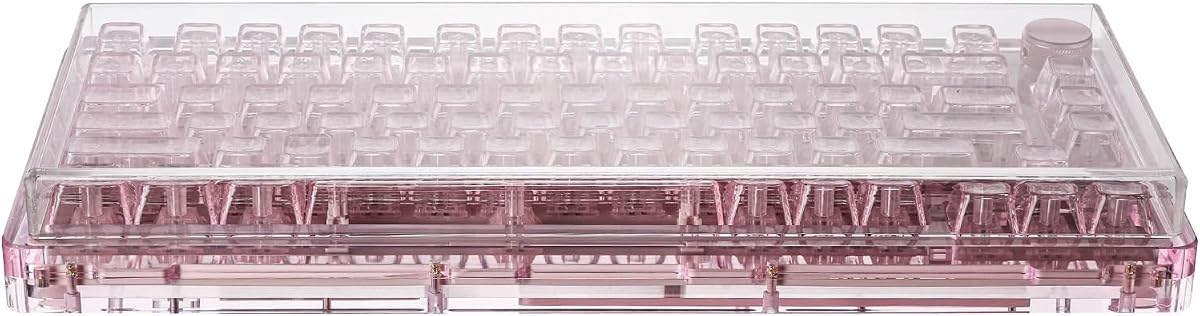
The BEEGO cover is a rigid, clear acrylic enclosure for full-size mechanical keyboards, and its 4.8 rating is the highest among the listed products. Unlike a fabric sleeve that must be removed for every use, this shield can remain over the keyboard and create an immediate barrier against dust, pet hair, and accidental spills.
We may earn a commission when you buy through this link, at no additional cost to you.
The stated design fits standard keyboards up to 17 inches wide. Thick acrylic gives the cover a solid, durable feel, while the transparent material keeps keycaps visible and preserves the appearance of a gaming setup. Open slots on the back and both sides allow keyboard cables to pass through, reducing the need to unplug equipment whenever the shield is installed or removed.
Spill protection is a clear advantage in an office where coffee, water, or crumbs may sit near the keyboard. The surface is easy to wipe clean, which is particularly convenient compared with washing a fabric cover. At the same time, the cover may look bulky when used with a small 78-key keyboard or when placed near a mouse, and fixed dimensions can make it less convenient for owners of compact layouts.
This is the editor's choice for users who want dependable desktop protection without hiding the keyboard. It is particularly useful in a shared office, a home with curious pets, or a workstation where drinks are frequently present. It is less suitable for someone who needs a travel-friendly cover or owns a compact board outside the stated size. Even then, the combination of visibility, rigidity, cable access, and easy cleaning is unusually complete.
Clear acrylic preserves the look of a mechanical keyboard while creating a physical barrier. That means the cover can remain on the desk between sessions instead of being removed after every use.
Rear and side openings keep connected cables organized while the rigid shell helps contain ordinary beverage splashes and crumbs. The wipe-clean surface also supports fast maintenance after an incident.
We may earn a commission when you buy through this link, at no additional cost to you.
The Explore Land cover is a fitted, soft-touch polyester protector designed primarily for 61-key digital pianos. Its 4.7 rating, music-stand opening, and secure closure system distinguish it from generic sheets and sleeves that must be removed whenever a player needs access to sheet music.
We may earn a commission when you buy through this link, at no additional cost to you.
At 37 by 13.5 by 6 inches, the cover is listed as suitable for most 61-key pianos from brands such as Casio, Yamaha, Rock Jam, Alesis, and Williams. Stretchy polyester tightens around the instrument to help prevent scratches and block dust, mist, hair, and dirt. The music-stand opening allows the stand to remain in place while the keyboard itself is covered.
Security comes from an elastic hem cord along the bottom and adjustable straps on both sides. These features are useful because a piano cover can shift easily if it is simply laid over the instrument. The cover-only package includes one keyboard cover, not the piano or stand, and the supplied information specifically asks buyers to measure their piano before ordering.
This is the premium pick for a musician who wants a tailored appearance, convenient music-stand access, and dependable tension around a 61-key digital piano. It is especially appropriate for a carefully arranged home studio or living-room setup where appearance and instrument care both matter. Those with a 76- or 88-key instrument should choose a wider design instead, and unusual 61-key models should be measured to ensure the stated dimensions are sufficient.
The built-in music-stand opening is a meaningful convenience for active players. It reduces the need to lift or refit the entire cover whenever sheet music or a display needs attention.
The elastic hem and adjustable side straps help the cover follow the instrument's contours. Soft-touch stretch polyester protects the finish while producing a cleaner appearance than a loose draped sheet.
We may earn a commission when you buy through this link, at no additional cost to you.
Gator Cases' GKC-1540 is a compact stretchy cover for 61- and 76-note keyboards, using Lycra and spandex with an adjustable shock cord to produce a snug fit. Its 4.7 rating places it among the most highly rated products in the guide, while its focused design appeals to owners who want simple dust protection without a complicated enclosure.
We may earn a commission when you buy through this link, at no additional cost to you.
The elastic material conforms closely to compatible keyboards, helping limit dust reaching the keys and keeping the cover from looking loose or untidy. An adjustable shock cord gives the user some control over tension around the instrument. Unlike covers marketed for music-stand access, this model offers a more streamlined three-feature description centered on stretch construction, dust protection, and hand washing.
The obvious benefit is ease of use. There is no rigid frame to line up, and no bulky zipper system to maneuver around the keyboard. It can be stretched into place, removed when the instrument is in use, and hand washed when cleaning is needed. The trade-off is that the supplied product information is concise, offering fewer details about exact dimensions, material weight, and compatibility with particular piano or stand designs.
This cover is a good fit for someone with a 61- or 76-note keyboard who prioritizes dust protection, easy handling, and a close-fitting silhouette. It is not suitable for an 88-key piano and may not accommodate a large fixed music stand. Checking the product's current dimensions and visual fit information is advisable, but for a simple two-key-count elastic protector, the Gator Cases option is concise and focused.
Lycra and spandex allow the cover to follow the keyboard's shape without a rigid frame. This makes it convenient to install, remove, and store between practice sessions.
The cover is designed specifically for 61- and 76-note keyboards, simplifying the decision for buyers who know their instrument falls within those ranges. It should not be considered a cover for an 88-key instrument.
We may earn a commission when you buy through this link, at no additional cost to you.
The KiiBoom cover is a clear, precisely shaped acrylic lid intended for compact mechanical keyboards, with listed dimensions of 12.6 by 5.3 by 0.78 inches. Its 4.5 rating and polished construction position it as an aesthetic desktop accessory for users who want dust and hair protection without hiding the keyboard's design.
We may earn a commission when you buy through this link, at no additional cost to you.
High-grade acrylic provides a crystal-clear view of keycaps and indicators. The manufacturer describes a 90-degree heat-bending process for the edges, followed by polishing to create smooth, comfortable edges. Reinforced corners and a superior bonding process are intended to improve resistance to peeling and wear, addressing common concerns with inexpensive clear plastic covers.
The cover is marketed for 75%, 96%, and 98% keyboard layouts, but those labels cover very different physical dimensions. The stated 12.6-inch length is relatively compact, so buyers should compare the exact keyboard width and depth rather than rely on the percentage alone. It also needs more desk space than a soft sleeve and will not fit over a full-size keyboard with a numpad.
This product is most appropriate for a compact mechanical board displayed on a clean desk, especially in an office where pet hair or dust is a recurring issue. Its transparent shell protects daily contaminants while allowing the keyboard to remain the visual centerpiece. Choose it for a close dimensional match and polished appearance; choose a larger fabric cover or a wider acrylic model when the keyboard occupies more room or includes a full-size layout.
The transparent acrylic keeps the keyboard visible from most viewing angles, making the cover attractive for display-oriented setups. It offers protection without the visual concealment of opaque fabric.
Heat-bent, polished edges provide a smoother finish than a sharply folded plastic sheet. Reinforced corners and bonded construction are intended to improve long-term durability at common stress points.
We may earn a commission when you buy through this link, at no additional cost to you.
The right keyboard dust cover depends first on the device it must fit, followed by the protection level, closure method, cleaning routine, and available desk space. Accurate measurement is essential because a product marketed as universal may still be too large, too small, or unable to accommodate raised components and attached stands.
Measure the width, depth, and height of the keyboard at its widest points, including any rear housing, raised feet, wrist rest, or protruding frame. For a computer keyboard, also note whether the layout is 60%, 65%, 75%, 80%, 96%, or full-size with a numpad. A percentage label is only a quick reference because brands use slightly different dimensions within the same general class. For digital pianos, measure the complete instrument and note the exact key count, music-stand position, and depth of the rear panel. Allow the cover to stretch enough to slide on without force, but avoid choosing a case so large that it bunches around the keys and leaves gaps.
Measure first, then compare every product dimension with your keyboard. Accurate sizing prevents a tight cover from pressing against keys and prevents a loose cover from failing to protect the gaps between them.
Fabric covers are flexible, lightweight, and easy to remove before using the keyboard. Elastic sleeves, fitted piano covers, zippered pouches, and universal nylon cases all fall into this broad group, but their protection differs. A close-fitting stretch cover excels at blocking dust and hair, while a larger zippered pouch can create more separation from the environment and offer broader spill resistance. Rigid acrylic creates a harder barrier that can remain on the desk and is easy to wipe after spills, although it adds visual bulk and may obstruct mouse movement or consume limited workspace.
Choose fabric for portability, easy storage, and a close fit. Choose acrylic when continuous desktop coverage and rapid wipe cleaning matter more than a compact footprint.
Computer-keyboard covers and digital-piano covers are not interchangeable. Computer options often use rectangular pouches, stretch sleeves, or shaped acrylic lids sized around 75% to full-size layouts. Digital-piano covers account for longer keybeds, deeper bodies, music stands, and cords. The best digital-piano cover should fit the instrument's key count and overall profile, while the best computer cover should match the keyboard's layout, width, and rear height. Using a generic fabric sleeve on a piano can leave the music stand and rear section exposed, while using a piano cover on a compact gaming keyboard will create unnecessary bulk and may not close properly.
Always use the product's intended device class as the first filter. The second filter should be the physical dimensions and distinctive components that could interfere with installation.
Closures affect how well a cover stays in place. Elastic hems and shock cords create tension around the device, fitted straps help a piano cover follow its contours, and zippers make a pouch easier to open and remove without pulling fabric over the keys. A simple pull-over design is fastest but may shift if the fit is too loose. Locking clasps are useful when a cover needs to remain secure around an instrument, although they take slightly more time to adjust. Consider whether the cover will be moved regularly; frequent use favors quick zippers or stretch fabric, while long-term storage may justify a tighter corded or strapped design.
Choose a closure that matches your routine. Speed and frequent removal favor zippers or elastic, while stationary protection and a neat appearance favor adjustable tension.
Dust protection is the shared benefit across nearly every option, but other priorities differ. Pet owners may value a close-fitting cover that blocks hair or a rigid shield that discourages an animal from stepping on the keyboard. Drink and food users may favor water-resistant fabric, a wipe-clean acrylic surface, or a raised rigid barrier. Musicians may prioritize scratch protection, coverage of the music stand, and a tidy appearance around the instrument. None of these features replaces careful behavior around liquids, but the right construction can reduce the consequences of a small spill, a trail of crumbs, or a season of accumulated dust. Match the product's protective attributes to the actual risk in your environment.
List your biggest everyday concerns before comparing designs. A simple dust barrier may be enough, while pets, drinks, food, and visible presentation justify more specialized construction.
Check the care instructions before selecting a cover. Machine-washable and hand-washable fabric covers are convenient when pet hair, dust, and food residue are likely. Some can be folded for compact storage, although a fitted piano cover may need more room than a universal keyboard sleeve. Rigid acrylic is generally wiped with a cloth, making it quick to clean after crumbs or a small spill. Vinyl and other smooth polymers can also be wiped, but harsh cleaners may damage the finish. Follow the supplied directions, avoid exposing fabric to excessive heat, and dry cleaned covers completely before placing them over an electronic device.
Choose care that you will actually perform. A washable cover is valuable only if it is cleaned regularly, while a rigid cover is most useful when it is wiped down after visible contamination.
A cover that protects well but crowds the workspace may be impractical. Soft fabric sleeves compress and fold with little trouble, while fitted piano covers can be bulky even when lightweight. Acrylic lids require enough space for the keyboard and may interfere with a mouse placed close to the number pad. Portable musicians should also consider the weight and bulk of a cover while carrying an instrument between locations. On a crowded desk, a slim pull-over sleeve may be more convenient than a rigid enclosure; in a display-oriented studio, an acrylic lid's footprint may be an acceptable trade for continuous protection and visual appeal.
Account for the space the cover occupies while in use, not only how small it looks in storage. Repeated friction with a mouse or cramped positioning can make an otherwise good cover frustrating.
Compatibility language should be supported by concrete measurements. A cover that fits a 96% keyboard must accommodate the exact width and depth of that layout, including a raised frame if one is present. Piano compatibility is more complicated because key count does not define the physical shape of the instrument. Brand names can provide a helpful starting point, but major brands offer many different models under the same product family. Review the product images, dimensions, and stated key-count range, and compare all three with the actual device. A good fit should install without forcing, leave keys accessible when needed, and remain stable without compressing the instrument.
Treat universal as a starting point rather than a guarantee. Concrete measurements and component compatibility are more dependable than broad labels or brand names alone.
Begin by placing the keyboard or digital piano on a clean, stable surface and checking that the device is powered off or disconnected before moving it. Compare the cover's dimensions with the measured device, then identify any raised sections, attached music stands, cables, or wrist rests. For a fabric sleeve, hold opposite corners, align the opening over the keyboard, and pull it on gradually. Avoid catching keycaps on an opening or stretching the material farther than its stated range.
Use elastic covers by stretching only enough to seat the fabric around the device, then adjust the hem cord, straps, or locking clasp so the cover is snug without pressing against keys or controls. For a zippered pouch, open the lower zippers fully, lower the keyboard into the pouch, and close the zippers while guiding the fabric around corners. With a rigid acrylic cover, align the fixed shape before lowering it, route cables through the appropriate slots, and ensure no edge rests against a switch or unstable mouse area.
Clean according to the product's care instructions. Washable fabric can usually be hand washed or machine washed on a gentle cycle, but the cover should be fully dry before use. Wipe acrylic and vinyl with a soft cloth, using cleaner sparingly and avoiding harsh chemicals. Remove accumulated hair and crumbs regularly, store fabric covers in a clean dry place, and inspect elastic cords, zippers, seams, and bonded acrylic corners for signs of wear.
Measure the keyboard's width, depth, and height before choosing a cover, including any raised rear section or wrist rest. Compact 60% and 65% layouts need a much smaller sleeve than 96% or full-size boards with a numpad. A cover that is slightly flexible can accommodate a small range, but excessive looseness may leave gaps around the keys. Compare the product's stated dimensions with your own measurements rather than relying only on its percentage-layout label.
Fabric covers are usually lighter, more compact, and easier to remove, making them good for storage and frequent use. Acrylic covers create a rigid barrier that can stay on the desk, resist small spills, and keep the keyboard visible. The best choice depends on whether portability or continuous desktop protection matters more to you. Whichever material you select, accurate dimensions and a stable fit are more important than the broad material label.
Yes, but you need a cover designed for digital pianos rather than a standard computer-keyboard sleeve. Piano covers should match the instrument's key count and account for its depth, rear housing, and music stand. Some products wrap the stand and sheet music together, while others include a separate opening for it. Measure the entire instrument and check the cover's dimensions because different 61-, 76-, and 88-key models can have very different shapes.
Water-resistant fabric and rigid acrylic can reduce exposure to small spills, but the level of protection varies. A zippered or fitted fabric cover creates more separation from the keyboard, while acrylic provides a hard surface that can be wiped quickly. No cover makes it safe to leave an open drink directly on the keyboard, and liquid should still be removed promptly. For frequent beverage use, a rigid wipe-clean cover is usually the more convenient choice.
Check the product instructions first, since care methods can differ by material. Covers labeled machine washable can generally be washed on a gentle cycle, while hand washing is gentler and is often recommended for elastic or spandex models. Do not wash a keyboard cover with ordinary clothing if the supplier advises against it, and let the cover dry fully before installing it. Avoid bleach and high heat, which can damage fibers, elastic, or printed details.
They can be, provided the dimensions and height match the particular board. The cover should not press down on switches, and its edges should not interfere with mouse movement or the keyboard's normal typing position. A clear model is especially popular for gaming setups because it blocks dust and hair while keeping RGB lighting and keycaps visible. Check the fit carefully before ordering because acrylic covers are rigid and cannot stretch around an unusual case.
These ten picks focus primarily on standalone computer keyboards and digital pianos, not laptop keyboards. A laptop-specific sleeve or keyboard cover may be needed because laptop keyboards sit flush within the chassis and cannot use a conventional sleeve. A compact 60% cover might fit some detached desktop boards, but it should never be stretched across a laptop's screen or hinge area. Measure any detachable keyboard separately and use the manufacturer guidance for laptop accessories.
Install the cover whenever the keyboard is not being used, especially in homes with pets, on dusty surfaces, or around food. Clean it when visible hair, crumbs, or grime accumulate rather than waiting for a deep layer to form. Wipe acrylic covers regularly, and wash fabric covers according to their care instructions. A clean cover also makes it easier to notice a torn seam, loose zipper, stretched elastic, or damaged acrylic corner.
The best overall approach depends on the device and the kind of protection needed. The Universal 108-Key Keyboard Cover is a practical budget choice for full-size computer boards, while the BEEGO acrylic shield offers a strong desktop barrier with high visibility and easy wipe cleaning. For digital pianos, the Explore Land 61-Key Cover provides a polished fitted design with music-stand access and secure side straps.
Prioritize exact dimensions, the correct device category, and a closure method that suits your routine. Fabric is the better option for compactness, washing, and frequent removal; acrylic is better when continuous coverage, spill management, and showing off the keyboard matter more. For a digital piano, key count, overall profile, and stand design matter as much as the material. Always measure before buying and consider whether the cover will need to travel or remain on the desk.
Current prices, ratings, availability, and product details can change, so check the latest listing before making a final decision. Compare the cover with your device measurements, read the care instructions, and choose the construction that solves your most common problem, whether that is airborne dust, pet hair, crumbs, accidental moisture, or keeping a frequently used instrument looking neat.