
Roku 50-Inch Select Series Smart TV 2026-4K (2160p) QLED TV TV
4.4Editor score
QLED 4K display
Roku Smart Picture
HDR10 support
Roku Voice remote
Apple AirPlay support
A 49 inch smart TV sits in a useful middle ground between compact bedroom sets and large living-room screens, but the closest available models range from 48 to 50 inches. The right choice depends on picture technology, smart-platform convenience, gaming features, sound, and the dimensions of your intended space.
We compared the supplied 4K and OLED models across resolution, HDR formats, processor capabilities, refresh-rate claims, voice-control options, streaming features, connectivity, and gaming-oriented functions. The list includes conventional LED and QLED televisions, Mini LED sets, premium OLED models, and Fire TV or Google TV choices.
Each recommendation highlights the qualities that distinguish its model while noting relevant limitations. Because television availability, features, and pricing can change, shoppers should verify the current listing, room measurements, input requirements, and smart-platform terms before making a final purchase.
4.4Editor score

4.3Editor score

4.4Editor score
As an Amazon Associate we earn from qualifying purchases.
The comparison below covers ten 48- to 50-inch smart TVs, revealing how their panel technologies, gaming capabilities, smart ecosystems, and sound features differ.
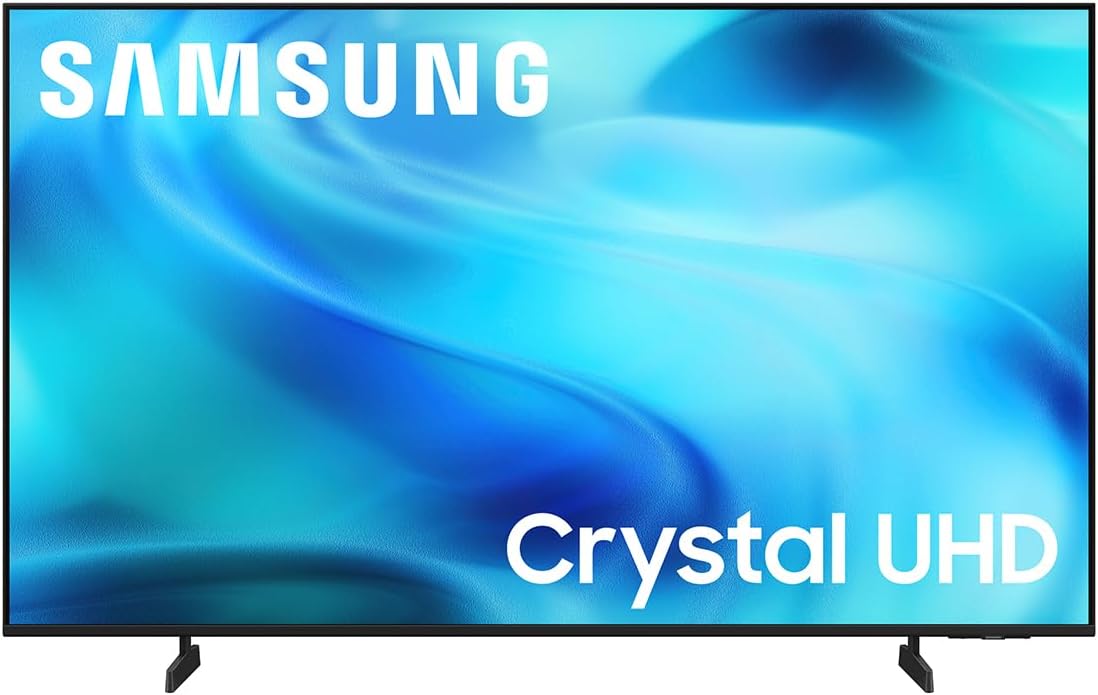


The Samsung U8000H is a conventional 50-inch 4K smart TV aimed at viewers who want familiar Samsung features without stepping into the more advanced Mini LED or OLED categories. Its 4.2 rating reflects a balanced package centered on picture processing, useful streaming options, and motion handling for everyday television, movies, and sports.
We may earn a commission when you buy through this link, at no additional cost to you.
Its Crystal Processor is designed to sharpen detail, enhance color, and upscale lower-resolution programming. Color Booster adds extra intensity to reds and blues, while Motion Xcelerator supports up to 4K 60Hz performance. That combination makes the set more versatile than an entry-level model, although it does not provide the high refresh rates or fine local dimming associated with the premium alternatives.
Samsung TV Plus is another meaningful advantage for a model in this general-purpose category. The supplied feature information identifies more than 2,700 streaming options and more than 750 subscription-free channels, including news, sports, movies, and family programming. The trade-off is that the U8000H does not include Mini LED local dimming, advanced AI gaming features, or the more sophisticated upscaling found higher in this list.
This is a sensible recommendation for a bedroom, office, or moderate-size living room where 4K clarity, free content, and uncomplicated Samsung smart features matter more than maximum gaming speed. Buyers seeking a 49-inch-class television should confirm that the stand and furniture accommodate a 50-inch diagonal screen and verify the current feature and connectivity details.
The 4K upscaling feature can make streaming content and lower-resolution sources look cleaner on a 4K panel. This is particularly useful for a compact set that will handle a mixture of broadcast television, streamed movies, and casual gaming.
Samsung TV Plus gives the U8000H considerable value for viewers who do not want to depend entirely on paid subscriptions. Channel availability and content terms can evolve, so checking the current regional catalog remains advisable.
We may earn a commission when you buy through this link, at no additional cost to you.
The Roku Select Series stands out as the easiest smart television to recommend to someone who values navigation and setup more than specialist display hardware. Its 4.4 rating, QLED panel, 4K resolution, and HDR10 support make it a well-rounded choice for everyday streaming, while Roku OS keeps the interface approachable.
We may earn a commission when you buy through this link, at no additional cost to you.
Roku Smart Picture analyzes incoming signals, optimizes the image, and selects an appropriate picture mode. Fast Wi-Fi, quick-launching apps, automatic updates, a clear home screen, and an uncluttered remote improve everyday use. Personalized recommendations, unified search, and a lost-remote finder make the set particularly convenient for households that stream frequently.
The model also supports Roku Voice, Siri, Alexa, and Google Assistant, while Apple AirPlay allows compatible Apple devices to share videos, photos, and music. Its speakers are designed for clear speech and louder output, and Bluetooth Headphone Mode can provide more private listening. Limitations include modest audio hardware and fewer gaming-oriented tools than the Mini LED and OLED models.
For buyers seeking a polished, uncomplicated smart TV at a relatively accessible tier, the Select Series is an excellent starting point. It is best suited to bedrooms, offices, guest rooms, and everyday living spaces where easy operation and dependable 4K QLED imagery matter more than maximum refresh rate or advanced gaming optimization.
Roku's uncluttered home screen, quick search, and simple remote make this one of the most approachable models here. Its voice remote can search across apps and create shortcuts to frequently used services.
QLED color technology and HDR10 improve color richness and contrast, while Roku Smart Picture handles source optimization. That balance makes the set well suited to mixed streaming and live-television use.
We may earn a commission when you buy through this link, at no additional cost to you.
The Amazon Ember 50-inch 4-Series combines a 4K Ultra HD panel with HDR10+, Dolby Audio, Wi-Fi 6, and a quad-core processor. Its 4.2 rating and Amazon-specific feature set make it an attractive option for households already invested in Fire TV, Alexa, Amazon Luna, or Xbox Game Pass.
We may earn a commission when you buy through this link, at no additional cost to you.
The 2026 Fire TV interface introduces dedicated content categories, pinned apps, and personalized Alexa+ recommendations. Omnisense sensors can wake the display when someone enters the room and show artwork, while the enhanced Alexa Voice Remote includes preset buttons. These details make the television feel more integrated into an Amazon-centered smart home than a conventional app launcher.
Four HDMI inputs provide practical room for a soundbar, game console, and streaming devices, while AirPlay expands sharing options. The supplied gaming information also mentions cloud gaming through Luna and Xbox Game Pass without a console. Compared with dedicated Mini LED and OLED sets, however, this model does not list high-refresh gaming modes, VRR, HDMI 2.1 gaming features, or advanced local dimming.
The Ember makes most sense for an Amazon-centric household wanting strong 4K HDR presentation, fast apps, hands-free searching, and simple cloud-gaming access. It is a versatile option for a medium-size living room, provided shoppers are comfortable with Amazon's ecosystem and understand that some games and content may require subscriptions.
A new quad-core processor, Wi-Fi 6, and the updated Fire TV interface support quick app access and fewer unnecessary navigation steps. Personalized recommendations can help viewers move from discovery to playback with less searching.
Omnisense can wake the display when a person approaches and present favorite artwork. The feature gives the television a secondary role beyond active viewing, although its usefulness depends on the room and personal preferences.
We may earn a commission when you buy through this link, at no additional cost to you.
The Samsung M70H is the strongest all-around recommendation in this comparison because it combines Mini LED contrast, 4K processing, high-refresh-rate motion, extensive smart features, and gaming functions without moving into the OLED category. Its 4.3 rating reflects a television designed to handle movies, sports, gaming, and general streaming with equal confidence.
We may earn a commission when you buy through this link, at no additional cost to you.
Mini LED backlighting supports brighter highlights and deeper blacks, while the Mini LED 4K processor, Pure Color Spectrum, and Supreme Mini LED Dimming work together to improve contrast and color. The listed color capability of one billion true-to-life colors adds nuance, while Color Booster can increase intensity when desired. These features give the M70H more visual refinement than a conventional LED set.
Motion Xcelerator with the listed DLG 120Hz capability is especially attractive for sports and action, and the dedicated Soccer Mode is designed to improve motion clarity and green-field color. Samsung Gaming Hub centralizes console, cloud, and app-based gaming options. The main limitation is that OLED models can offer even deeper blacks and more pixel-level contrast, while the M70H's feature-rich menus may take longer to master.
This model is ideal for a family that wants one television to cover premium picture quality, gaming, streaming, and free content. Choose it over the basic U8000H when contrast, motion, or gaming responsiveness matter; choose an OLED alternative instead when perfect black levels, wider viewing angles, or the highest-end processing are the top priorities.
Mini LED backlighting creates smaller, more numerous lighting zones than conventional LED implementations. The result is brighter highlights, darker blacks, and a more convincing sense of depth in movies and live sports.
The Gaming Hub gathers games from supported consoles, cloud services, and gaming applications into one location. Personalized recommendations help shorten the process of finding something new, while 120Hz motion support benefits fast-paced play.
More than 2,700 streaming options and over 750 subscription-free Samsung TV Plus channels make the set useful even on days when nobody wants to add another paid service. Regional content availability should be checked before purchase.
We may earn a commission when you buy through this link, at no additional cost to you.
The Toshiba M450 delivers a broad feature set for viewers who want QLED color, Dolby Vision, Dolby Atmos, and gaming-oriented tools without moving to an OLED television. Its 4.3 rating and REGZA processing focus make it particularly interesting for mixed movie, sports, and gaming households.
We may earn a commission when you buy through this link, at no additional cost to you.
The REGZA AI Engine ZRi Gen3 is tuned by Toshiba picture specialists to process image and sound. REGZA QLED technology supports rich color, while 4K Resolution and AI 4K Clarity enhance lower-resolution sources and reduce noise. HDR10+ Adaptive provides scene-by-scene brightness and contrast adjustment, complementing the Dolby Vision support listed for the set.
Its Game Mode supports ALLM, VRR, and eARC, while Dolby Atmos adds a more dimensional audio presentation. Fire TV provides recommendations, watchlists, resume functionality, and Alexa voice control, although the platform experience will feel familiar to anyone who has used Amazon streaming hardware. A soundbar remains advisable for viewers who prioritize powerful home-cinema audio.
The M450 is a strong recommendation for a media room where cinematic picture standards and console gaming matter. It may be less compelling for buyers seeking a highly refined smart interface, more advanced local dimming, or the exceptional black levels of the OLED models, but it offers a broad and practical feature mix.
Combining Dolby Vision picture handling with Dolby Atmos audio creates a more cinematic presentation. This makes the M450 a good match for viewers who regularly watch films and want a television capable of supporting high-end source formats.
ALLM, VRR, and eARC support modernize the set for consoles and compatible gaming equipment. The feature list does not specify a maximum refresh rate, so buyers with demanding gaming needs should confirm current specifications.
Toshiba emphasizes human picture tuning alongside its AI engine. AI 4K Clarity, noise reduction, and QLED color make the M450 particularly suited to mixed-quality streaming sources.
We may earn a commission when you buy through this link, at no additional cost to you.
The Sony BRAVIA 2 II is a 50-inch 4K HDR Google TV for viewers who value Sony's picture processing, upscaling, and PlayStation integration. Its 4.2 rating makes it a credible alternative to similarly sized Mini LED and QLED sets, although the underlying LED technology places it below those models in local-dimming capability.
We may earn a commission when you buy through this link, at no additional cost to you.
The 4K Processor X1 is designed to create rich colors, sharp detail, natural imagery, and strong dynamic contrast. Motionflow XR is intended to reduce blur during fast sports and action, while 4K XR-Reality PRO upscales content toward near-4K resolution and restores perceived texture. These processing tools are especially attractive for viewers with mixed-quality sources.
Google TV gathers streaming applications into one screen and supports AirPlay 2 and Google Cast. The dedicated Game Menu consolidates picture settings and assist features, while Auto HDR Tone Mapping and Auto Genre Picture Mode are designed specifically for PlayStation 5. The available information does not claim 120Hz gaming, so the set is better suited to general console play than competitive high-refresh gaming.
Choose the BRAVIA 2 II for a bedroom, office, or secondary living space where Sony processing, Google TV, and PlayStation convenience matter. A Mini LED or OLED model would be the better choice when deeper local contrast, greater brightness control, or advanced high-refresh gaming is the priority.
4K XR-Reality PRO and the X1 processor focus on detail, texture, and perceived resolution. These functions are valuable when a television must display a mixture of high-quality streaming, standard-definition channels, and compressed files.
Auto HDR Tone Mapping and Auto Genre Picture Mode give supported PlayStation 5 content more appropriate presentation. The central Game Menu also simplifies access to picture and assist functions.
Google TV consolidates popular streaming apps and works with AirPlay 2 and Google Cast. The platform also supports Google Assistant, providing a familiar route for finding content and managing compatible smart-home devices.
We may earn a commission when you buy through this link, at no additional cost to you.
The Samsung S90H is a 48-inch OLED television for viewers who want elite contrast, advanced AI processing, and high-end gaming performance. Its 4.4 rating and feature list place it among the most technically ambitious sets in this guide, even though its screen diagonal is an inch smaller than the 49-inch target.
We may earn a commission when you buy through this link, at no additional cost to you.
OLED HDR+ and Glare Free technology are intended to preserve brightness and contrast while reducing distracting reflections. The NQ4 AI Gen3 processor uses 128 neural networks for picture and sound enhancement, 4K AI Upscaling Pro, and AI Motion Enhancer Pro. Auto HDR Remastering can make non-HDR content appear more HDR-like, giving older material a more vivid presentation.
Its Motion Xcelerator 165Hz capability, compatibility with NVIDIA G-SYNC or AMD FreeSync Premium Pro, and emphasis on tear-free low-latency playback make it a compelling gaming television. These are more advanced gaming provisions than most conventional LED and QLED sets offer. The trade-off is the cost of entering the OLED tier, along with the need to accept a 48-inch rather than 50-inch panel.
The S90H is best suited to a compact premium entertainment area, a dedicated gaming room, or a viewer who prioritizes black levels and fast motion over a few extra inches of screen. Those seeking a more complete smart-TV experience should compare it with the LG C5, which lists additional smart-home, gaming-menu, and AI personalization features.
The processor applies AI to upscaling, motion, detail, sound, and HDR conversion. These capabilities can improve mixed source quality and help older content gain greater perceived clarity and depth.
A listed 165Hz refresh rate and support for premium variable-refresh technologies place the S90H at the top of this group for fast motion. Buyers should confirm that their console, game, and chosen input mode support the desired features.
Glare Free technology addresses a common concern with OLED televisions by reducing distracting reflections. It can be especially helpful in rooms where controlling every light source is difficult.
We may earn a commission when you buy through this link, at no additional cost to you.
The LG C5 is the most complete premium recommendation for a viewer seeking an OLED panel, extensive gaming connectivity, high-end HDR support, and a mature smart-TV platform. Its 4.4 rating reflects an unusually broad combination of picture quality, motion, audio, and smart features in a compact 48-inch format.
We may earn a commission when you buy through this link, at no additional cost to you.
LG's self-emissive OLED technology produces Perfect Black and Perfect Color across more than 8.3 million smart pixels. The Alpha 9 AI Processor Gen8 handles personalization, while AI Super Upscaling improves lower-resolution sources. Dolby Vision, Dolby Atmos, HDR10, and Filmmaker Mode cover major cinematic formats and give users different ways to balance vividness with director-focused presentation.
The gaming feature list is especially complete for a compact OLED. It includes a 0.1ms response time, up to a 144Hz refresh rate, NVIDIA G-Sync, AMD FreeSync Premium, VRR, four HDMI 2.1 inputs, LG Game Dashboard, and Game Optimizer. These features make it suitable for consoles, cloud gaming, and PC play while providing more connection flexibility than most competing sets.
webOS adds personalized recommendations, LG Channels, Alexa integration, and the Personalized Picture and Sound Wizard, which analyzes sample clips to create a viewing profile. The main drawbacks are the smaller 48-inch diagonal and the higher cost associated with OLED ownership. Despite those caveats, it is the best premium pick for this size class.
The AI processor can analyze favorite images and sound clips to create a personalized profile. Filmmaker Mode offers a more restrained alternative for movies, while Dolby Vision preserves a high-end HDR presentation.
Four HDMI 2.1 inputs, VRR, premium synchronization support, a 0.1ms response time, and up to 144Hz make the C5 well equipped for modern consoles and PC gaming. Its Game Dashboard and Game Optimizer put the relevant controls in one accessible interface.
Dolby Atmos and Wow Orchestra add more dimensional sound than a typical television speaker system can provide. A soundbar can still improve dialogue clarity, dialogue separation, and low-frequency impact for demanding listeners.
We may earn a commission when you buy through this link, at no additional cost to you.
The Sony A90K earns the highest rating in the supplied group at 4.5, reflecting the strength of its OLED picture processing, cinematic features, gaming integration, and built-in audio. It is a 48-inch model and therefore slightly smaller than the nominal 49-inch category, but its feature set makes it a major contender for premium buyers.
We may earn a commission when you buy through this link, at no additional cost to you.
Cognitive Processor XR creates deep blacks, high peak brightness, natural color, and strong perceived contrast. XR OLED Contrast Pro and XR Triluminos Pro enhance depth and color accuracy, while Dolby Vision, IMAX Enhanced, and Netflix Adaptive Calibrated Mode support several major viewing formats. BRAVIA CORE also provides included high-quality movies on select compatible Sony televisions.
For gaming, HDMI 2.1 features include 4K at 120Hz, VRR, and ALLM, while listed input latency can reach 8.5ms. Auto HDR Tone Mapping and Auto Genre Picture Switch complement PlayStation 5 use, and Game Menu centralizes settings. Acoustic Surface Audio Plus uses actuators to create sound from the screen, while a built-in subwoofer adds lower-frequency authority.
Choose the A90K for cinematic picture quality, polished television processing, and a strong PlayStation 5 ecosystem. Its limitations are the smaller 48-inch screen and premium-tier cost. It may appeal more than the LG C5 to Sony and PlayStation households, while the LG offers a newer platform and more explicitly detailed gaming and personalization tools.
The processor analyzes images to optimize contrast, color, brightness, and perceived realism. Its upscaling and local-dimming-related processing make the A90K well suited to films, documentaries, and high-quality streaming.
Automatic HDR tone mapping and genre-aware picture switching help supported games look their best. HDMI 2.1, 4K at 120Hz, VRR, ALLM, and low input lag create a strong console-gaming foundation.
Acoustic Surface Audio Plus uses actuators to make the panel produce sound, creating a more convincing link between dialogue and on-screen action. Dolby Atmos support enriches the presentation further.
We may earn a commission when you buy through this link, at no additional cost to you.
The LG 50UP8000PUR is a straightforward 4K UHD LED television with a 4.5 rating, strong conventional picture processing, and broad smart-home compatibility. It lacks the premium hardware of the OLED and Mini LED options, but it remains a relevant choice for viewers who prioritize a familiar platform and dependable everyday performance.
We may earn a commission when you buy through this link, at no additional cost to you.
The Quad Core Processor 4K enhances contrast, color, blacks, and detail, helping the set produce crisp 4K imagery. LG's webOS Plus platform supplies a broad application library, while ThinQ AI and the Magic Remote make content discovery and smart-home control intuitive. Compatibility with Hey Google, Amazon Alexa, Apple AirPlay 2, and Apple HomeKit broadens the device's usefulness.
TruMotion 120 reduces blur by creating up to 120 frames per second from native 60Hz content. This can make sports and fast action appear smoother, although it does not give the television a native 120Hz refresh rate. Compared with the C5 and A90K, its LED panel has less control over black levels and local contrast, while its picture features are less advanced.
This model is well suited to a bedroom, office, or secondary room where a 50-inch footprint, 4K detail, app access, and voice control are priorities. Buyers with demanding gaming needs should look for a model with HDMI 2.1 and VRR, while cinematic enthusiasts may prefer Mini LED or OLED.
webOS Plus provides access to major streaming applications, recommendations, and voice-assisted navigation. ThinQ AI and the Magic Remote make the television easier to operate without requiring a separate controller.
TruMotion 120 processes native 60Hz footage to create a smoother-looking motion result. It is helpful for sports and action, though it should not be confused with a native 120Hz gaming panel.
Support for Google Assistant, Alexa, AirPlay 2, and HomeKit gives the set flexibility across different device ecosystems. This makes it a practical central display in a mixed smart home.
We may earn a commission when you buy through this link, at no additional cost to you.
Choosing a compact smart TV requires balancing screen size, panel technology, picture processing, smart-platform usability, gaming support, sound, and the physical limitations of the intended room.
A search for a 49-inch television naturally leads to closely related 48-inch and 50-inch models because those are common manufacturing sizes. The diagonal measurement describes the screen itself rather than the full cabinet, so a 50-inch television can be wider than a television advertised as 49 inches. Measure the available wall or stand area and compare it with the listed dimensions of the exact model before ordering.
A wider cabinet may not fit even when the diagonal measurement seems acceptable. Leave room for the base, cables, ventilation, and nearby furniture, and consider whether viewers will sit at a distance where 48 or 50 inches still feels suitably large.
LED sets are the general-purpose option, often using edge or direct lighting to illuminate an LCD panel. Mini LED models add numerous smaller lighting zones, which can produce brighter highlights and deeper blacks. OLED panels generate their own light at the pixel level, delivering perfect blacks and exceptional contrast but generally commanding a higher cost. QLED models use quantum-dot color filtering to enhance color performance.
Choose Mini LED or OLED when contrast is central to the viewing experience. A conventional LED or QLED set can still deliver an excellent image, particularly in a smaller room where the image is viewed at a modest distance.
HDR10 is broadly supported, while Dolby Vision provides advanced scene-based tone mapping on compatible content and sources. HDR10+ can also adjust brightness and contrast from one scene to the next. Filmmaker Mode offers a more restrained presentation intended to preserve the original creative look. The ideal format depends partly on which streaming services, game consoles, and physical media players you plan to use.
Avoid choosing solely on the HDR label. Processor quality, peak brightness, local dimming, room reflections, and source quality determine how noticeable the high dynamic range effect will be in everyday use.
The three main platforms represented here are Samsung's ecosystem, Roku, Fire TV, Google TV, and LG's webOS, with Samsung also offering its own interface. Consider app availability, recommendation quality, voice remote behavior, account requirements, and the platform's learning curve. Fire TV and Roku are particularly approachable for general streaming, while Google TV and webOS offer deeper integration options for particular ecosystems.
Also verify whether a voice assistant is built in, which smart-home services are supported, and whether casting or screen sharing works with your devices. Platform features can change through software updates, so the current product listing is an important source of information.
For casual gaming, response time, HDR support, and a low-latency mode may be sufficient. Competitive and high-end console play benefits from a high native refresh rate, variable refresh rate, HDMI 2.1, and features such as ALLM. The LG C5, Samsung S90H, and Sony A90K provide the strongest gaming specifications in this group, while the Toshiba M450 includes ALLM and VRR without the same stated refresh-rate emphasis.
Check that every console, game, and desired resolution or refresh-rate combination is supported. A television can have the necessary ports yet still apply picture processing that prevents the full advertised gaming performance from being reached.
Most streaming video is not natively 4K, making upscaling central to perceived image quality. Samsung Crystal Processor 4K upscaling, Roku Smart Picture, Sony 4K XR-Reality PRO, Toshiba AI 4K Clarity, and LG AI Super Upscaling all address this task in different ways. These features can sharpen detail, reduce noise, and improve color, though results depend on the original source and viewing environment.
A strong processor also helps with motion and overall consistency. If you regularly watch standard-definition television or older movies, prioritize processing and noise reduction rather than focusing only on maximum refresh rate.
The included speakers on a compact television may be adequate for news, streaming, and regular viewing, but they rarely match a dedicated soundbar for movies and gaming. Dolby Atmos support can improve sound when the television is paired with compatible speakers. The Amazon Ember lists four HDMI inputs, the LG C5 lists four HDMI 2.1 inputs, and the Sony A90K provides HDMI 2.1 features, making them convenient for multiple devices.
Check eARC or ARC support, optical-audio output, Bluetooth headphone mode, and the number and type of HDMI ports. Consider your audio habits and the number of consoles, set-top boxes, disc players, and game systems that may remain connected permanently.
Modern televisions can look impressive in the store and disappointing after installation because the vivid picture mode is often extremely bright and saturated. Filmmaker Mode, calibrated-style modes, or a carefully adjusted home-theater mode usually creates a more natural appearance in a normal room. OLED and Mini LED models offer greater control, but even entry-level sets benefit from reduced brightness and accurate picture settings.
After installation, allow the television to settle, choose the correct input picture mode, adjust brightness for the room, and disable unnecessary motion enhancements if you prefer natural cinematic motion.
Start by measuring the stand or wall space, confirming the exact model dimensions, and placing the television where glare from windows or lamps is minimal. Connect streaming devices, consoles, and audio equipment before finalizing the setup, then use the television's guided menus to connect Wi-Fi, sign into the appropriate account, update the software, and select the correct picture and sound modes.
Take advantage of voice search, app shortcuts, watchlists, and personalized recommendations to organize frequently used services. Enable automatic software updates, review privacy and voice-control settings, and remove unused applications. For gaming, enable the appropriate low-latency and variable-refresh features after confirming compatibility with the connected console or computer.
Care for the screen by cleaning it with a soft microfiber cloth and avoiding abrasive, liquid, or ammonia-based cleaners unless the manufacturer specifically approves them. Do not press on the panel, keep vents unobstructed, and handle the remote and cables gently. Periodically check for firmware updates and revisit picture settings if lighting conditions change.
A 48-inch television is only one inch smaller diagonally and will look nearly identical in many rooms. The difference is negligible for most viewers, but the exact cabinet width can vary between brands. Measure the furniture and compare it with the manufacturer's dimensions before buying.
OLED is the stronger choice for perfect blacks, pixel-level contrast, wide viewing angles, and premium cinematic quality. Mini LED can provide excellent brightness and contrast at a more accessible tier, often with high-refresh gaming features. Your decision depends on budget, room lighting, and whether gaming performance or absolute black levels matter more.
QLED generally offers a wider color gamut and can produce more saturated, nuanced color than a conventional LED television. It does not automatically mean better contrast, because backlighting and local-dimming performance also matter. The Roku Select and Toshiba M450 offer QLED panels with different smart platforms, audio features, and gaming functions.
It depends on the games and console you own. Higher refresh rates make fast competitive titles feel smoother and can provide an advantage in supported games, while many cinematic, adventure, and single-player games look excellent on a well-tuned 60Hz 4K television. The LG C5, Samsung S90H, and Sony A90K provide the strongest high-refresh options here.
Roku is widely recognized for its simple layout and quick setup, while Fire TV also provides strong voice search and convenient Amazon integration. Google TV and webOS suit viewers who favor Google's or LG's application and smart-home ecosystems. The easiest choice depends on the voice assistant, streaming subscriptions, and connected devices already in your home.
Most of these models can connect a soundbar through HDMI with ARC or eARC, optical audio, or Bluetooth, depending on the television and soundbar. The Toshiba M450 and LG C5 explicitly list Dolby Atmos or eARC-related features. Check the exact port and codec support before purchasing a soundbar.
A general guideline is to view the screen at roughly 1.5 to 2.5 times its diagonal size, which places a 49- to 50-inch set about 6 to 10 feet away for many 4K televisions. Personal preference, resolution, subtitle size, and room layout also matter, so the best distance is the one that remains comfortable without forcing you to strain.
Free channels can provide news, sports, movies, and family programming, but they do not replace every premium service viewers may want. Samsung TV Plus is particularly substantial in the supplied information, with more than 750 subscription-free channels. Availability varies by region, and the catalog and terms can change.
The Roku Select 50-inch is the easiest all-purpose choice for shoppers who value uncomplicated setup, QLED color, and a familiar streaming interface. The Samsung M70H offers the strongest overall balance through Mini LED contrast, smooth 120Hz motion, extensive free content, and a consolidated gaming hub.
Premium buyers have two especially compelling OLED options. The LG C5 combines excellent picture quality with AI personalization, four HDMI 2.1 inputs, Dolby Vision, Dolby Atmos, and detailed gaming tools, while the Sony A90K focuses on cinematic processing, PlayStation 5 integration, and integrated screen audio. For viewers prioritizing simpler smart features or strong motion without premium pricing, the Amazon Ember, Toshiba M450, and conventional LED alternatives remain worth considering.
Before ordering, measure the available space, verify the exact 48- or 50-inch dimensions, confirm gaming and audio compatibility, and check whether your preferred streaming services and voice assistant work as expected. Television prices, bundles, software features, and promotional terms change over time, so review the current listing at the moment of purchase.