
Soundcore Q20i
4.5Editor score
Four-microphone noise cancellation
Hi-Res certified wired listening
Extensive app-based sound controls
Explore the best ANC headphones for classical music, comparing sound quality, noise cancellation, comfort, battery life, and features for focused listening
ANC headphones for classical music must preserve the subtle dynamics, spacious soundstage, and natural tonal balance of orchestral recordings while removing distractions from offices, airports, and busy homes. The right model should let quiet passages breathe, keep delicate instrumental textures intact, and maintain comfortable, repeatable listening during extended sessions.
This guide compares ten wireless over-ear models based on the supplied specifications, including driver design, noise-control technology, supported audio features, battery life, comfort, connectivity, and call quality. The list covers options for different budgets and priorities, from app-adjustable ANC and high-resolution wireless audio to premium lossless codecs and wired listening options.
Each review identifies the product's strongest qualities, practical trade-offs, and most suitable listener. The overall rankings follow the provided order, while three highlighted picks represent the best budget, editorial, and premium options. Product specifications and availability can change, so readers should verify current features, accessories, and prices before purchasing.
4.5Editor score

4.5Editor score

4.2Editor score
The comparison below places all ten models side by side, focusing on the factors that most affect classical listening: sound character, noise-control capabilities, wired or lossless options, battery endurance, comfort, and device flexibility.
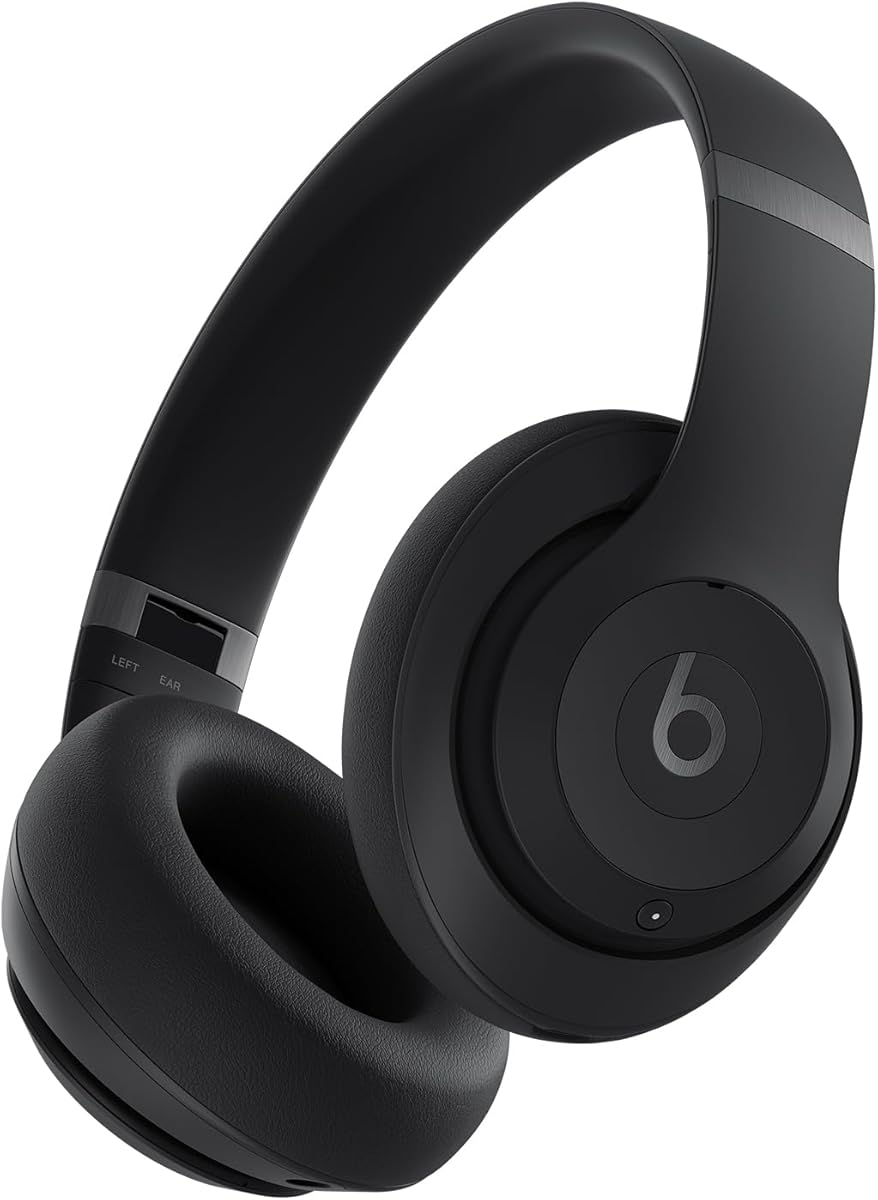


The Beats Studio Pro combines a 4.5 rating with a rich, balanced acoustic platform, making it an appealing first choice for classical listeners who want one headphone to handle concerts, recordings, films, and travel. Its defining feature is USB-C lossless audio, which offers a direct route for listeners who want greater fidelity than compressed Bluetooth playback can provide.
We may earn a commission when you buy through this link, at no additional cost to you.
The included 3.5 mm cable supplies a conventional wired alternative, while one-touch pairing makes switching between Apple and Android devices straightforward. Personalized spatial audio can add a sense of scale to compatible recordings, although classical purists may prefer standard stereo for accurate instrumental placement. Clear call performance, Class 1 Bluetooth, and up to 40 hours of stated battery life make it well suited to long journeys.
Its trade-off is that noise cancellation cannot create the same pristine acoustic environment as a completely silent studio. Processing may also slightly shape perceived instrument separation, and the stated battery figure is shorter than those of several competing models. Even so, the combination of wired options, stable connectivity, and long-session comfort gives it broad appeal.
Choose the Beats Studio Pro if you want a polished all-rounder with lossless wired listening, comfortable cushions, and enough flexibility for classical recordings and daily travel. It is especially attractive for listeners who alternate between nuanced instrumental music and other genres and appreciate a modern, feature-rich design without needing a separate studio headphone.
USB-C lossless support is the most relevant detail for classical listeners, particularly when a compatible source and application are available. The 3.5 mm connection also provides a straightforward route for external DAC equipment or a system without Bluetooth.
UltraPlush cushions and a stable Class 1 connection suit extended sessions, whether the listening location is a living room, office, or aircraft cabin. Fast Fuel charging helps reduce downtime during travel.
We may earn a commission when you buy through this link, at no additional cost to you.
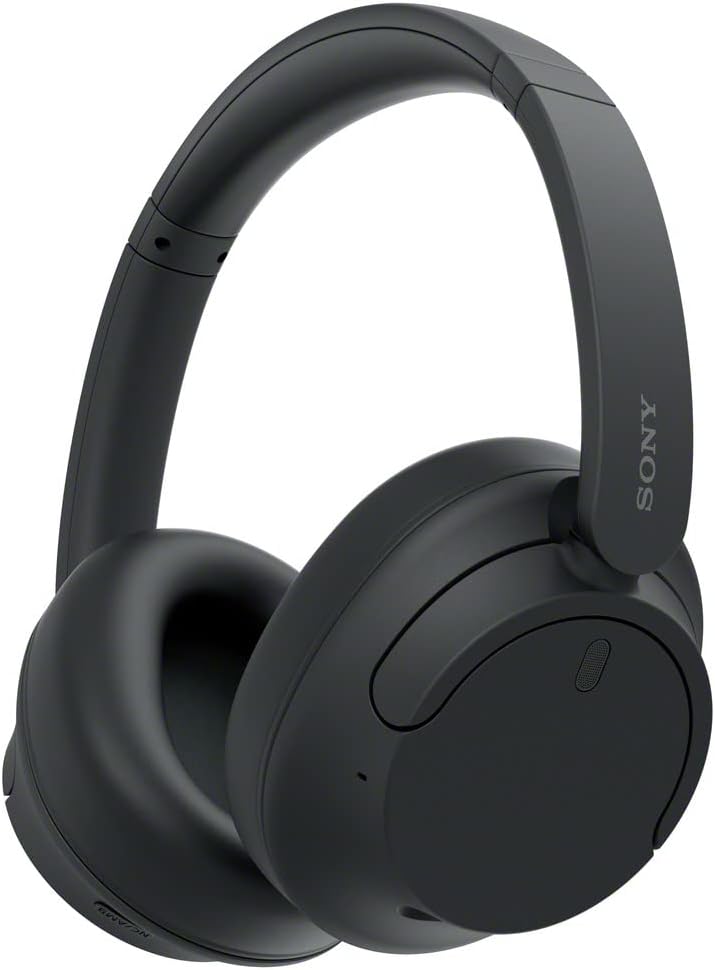
Rated 4.3, the Sony WH-CH720N is a compelling choice for classical listeners who put long-session comfort ahead of elaborate wireless-codec support. At 192 grams, it is presented as Sony's lightest wireless noise-canceling over-ear headband, reducing the physical burden of long rehearsals, study sessions, or uninterrupted album listening.
We may earn a commission when you buy through this link, at no additional cost to you.
The Integrated Processor V1 and Digital Sound Enhancement Engine are intended to produce natural vocals, clear sound, and balanced tuning. Dual noise sensors support immersive noise canceling, while Adaptive Sound and adjustable ambient mode allow listeners to change the balance between the recording and the environment. Multipoint connection is useful for moving between a laptop and phone.
The main limitation for audiophiles is the absence of stated support for a lossless codec such as aptX Lossless. DSEE can improve compressed files, but it is not a substitute for lossless source transmission. The 35-hour stated battery life is also modest compared with the longest-lasting options in this list.
This Sony model suits readers seeking lightweight comfort, dependable noise canceling, and a natural tonal presentation. Choose it when you regularly listen for hours, switch between work and personal devices, and prefer a simple wireless experience over codec experimentation or spatial-audio processing.
The 192g construction can materially reduce fatigue compared with heavier over-ear models. Soft, lightweight proportions make the WH-CH720N easy to wear during workdays, study, or full-length classical recordings.
Dual sensors and three environmental listening approaches help manage distractions. Multipoint Bluetooth makes it simple to answer a call on a phone and return to orchestral playback on a computer.
We may earn a commission when you buy through this link, at no additional cost to you.
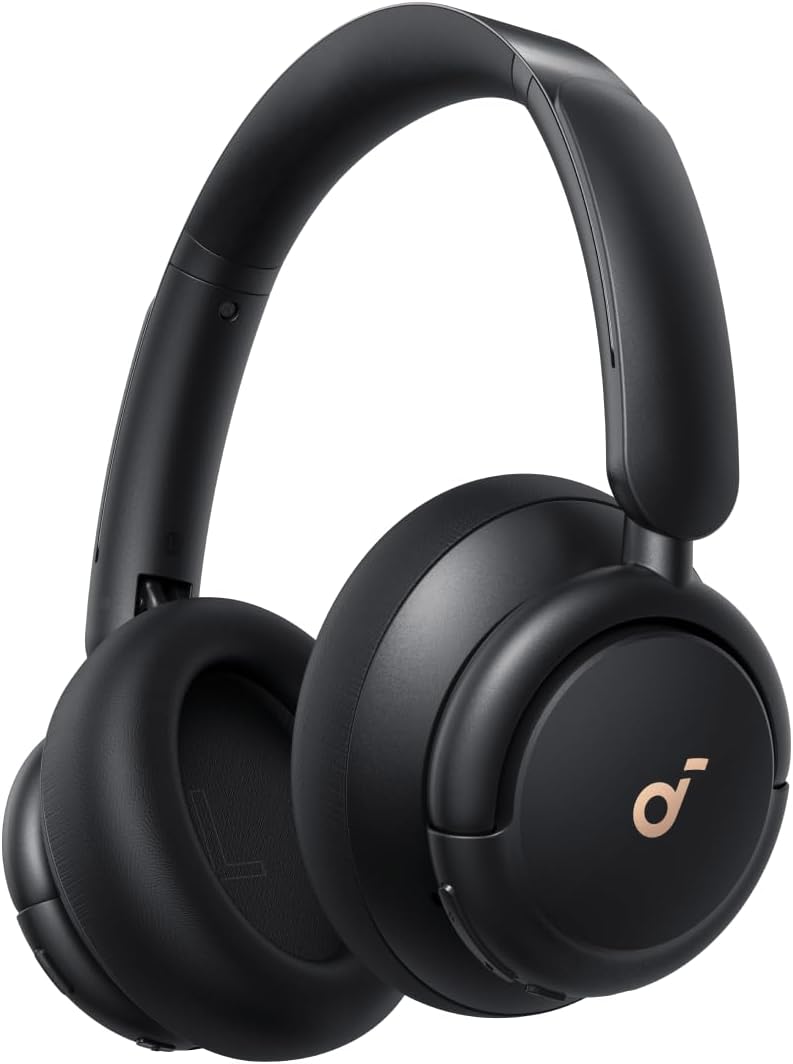
The Soundcore Q20i earns a 4.5 rating and stands out as the most adjustable entry in this guide. Its soundcore app provides presets or a custom EQ, direct control over ANC, Normal, and Transparency modes, white noise, HearID personalization, Spatial Audio, and firmware updates. That level of control is valuable when different classical recordings demand different tonal adjustments.
We may earn a commission when you buy through this link, at no additional cost to you.
Four microphones work together in wireless mode to filter background noise from offices, streets, and commutes. BassUp technology adds deep bass and crisp highs over Bluetooth, while the included AUX cable unlocks Hi-Res certified wired audio for listeners who want a more neutral path to a source. The app can personalize the sound to an individual's hearing profile.
The wired mode does not support ANC, so those who want silence and high-resolution wired playback simultaneously will need to choose a priority. BassUp may also prove too assertive for unaccompanied strings, chamber works, or restrained opera recordings unless its intensity is reduced through the EQ. The stated 40-hour ANC endurance remains highly practical.
The Q20i is the best choice for listeners who want to fine-tune sound and noise cancellation without moving to the premium end of the category. It is especially valuable for students, commuters, and home listeners who switch between classical, spoken-word, and other genres and prefer one adaptable set of headphones.
Custom EQ and HearID allow listeners to adapt the presentation without relying on a single fixed profile. That flexibility is useful when switching between bright symphonic recordings, intimate chamber pieces, and more bass-heavy contemporary compositions.
Putting ANC, transparency, EQ, spatial settings, white noise, and updates in one app simplifies daily use. Forty hours of stated ANC playback and a five-minute quick-charge boost keep the headphones ready for frequent use.
We may earn a commission when you buy through this link, at no additional cost to you.
The Marshall Monitor III ANC, rated 4.5, delivers a bold headphone identity while offering several features that translate well to classical music. Dynamic Loudness adjusts treble, mids, and bass according to volume, helping the presentation remain consistent when listeners move between quiet movements and fuller orchestral passages.
We may earn a commission when you buy through this link, at no additional cost to you.
Its upgraded ANC continuously measures ambient noise and offers three strength levels, giving listeners more control than a simple on-or-off design. Soundstage spatial audio moves music outward to create a wider presence, which can make the placement of strings, winds, and percussion feel more dimensional. A rugged, foldable body and soft cushions support both daily use and travel.
Classical listeners focused on strict tonal neutrality may prefer to disable spatial processing. The supplied specifications do not list a lossless wireless codec, so the model is better suited to listeners who value its signature presentation and soundstage than to those whose priority is the highest possible source fidelity over Bluetooth. The spatial effect should also be evaluated with familiar recordings.
Choose the Monitor III ANC for powerful presentation, long battery life, and an engaging sense of scale. It is a strong fit for listeners who enjoy modern headphone characteristics but still want the tonal adjustments and immersive placement to serve large-scale works such as symphonies, concertos, and opera.
Dynamic Loudness is particularly relevant during classical listening, where the same recording may move from near-silence to a full orchestral climax. The feature aims to keep tonal relationships convincing as playback level changes.
A stated 70 hours with ANC makes battery anxiety uncommon. The rugged, foldable design and included hard case also suit listeners who move between rehearsal spaces, listening rooms, and travel destinations.
We may earn a commission when you buy through this link, at no additional cost to you.
The Soundcore Q30 has a 4.4 rating and remains a practical ANC headphone for listeners who value detail, long battery life, and a comfortable fit. Its 40mm drivers use flexible silk diaphragms to produce bass, crisp treble, and an extended frequency response advertised up to 40 kHz for improved clarity.
We may earn a commission when you buy through this link, at no additional cost to you.
Hybrid ANC is divided into three useful environments: Transport for aircraft engine noise, Outdoor for traffic and wind, and Indoor for busy offices and conversation. This makes it easy to choose a mode appropriate to the setting rather than relying on a single generic profile. A five-minute charge adds several hours of listening, while ANC mode is stated to last up to 50 hours.
The included wired connection offers a way to use the headphones without Bluetooth, but ANC is not compatible with AUX. The strong bass character may also need moderation for delicate solo piano, string quartets, or historically informed recordings, where listeners might prefer a more restrained low end.
The Q30 is a sensible recommendation for commuters, students, and home listeners who want a single pair of headphones for long sessions. Its combination of detailed drivers, situational controls, sturdy comfort, and strong battery life makes it particularly useful for extended orchestral listening without extensive app-based personalization.
The 40mm silk-diaphragm drivers are designed to reveal fine detail across a broad frequency range. This can help listeners distinguish layered strings, woodwind textures, and percussion within busy orchestral passages.
Ultra-soft protein leather earcups and memory foam padding distribute pressure around the ears. A lightweight build and long stated battery life support uninterrupted listening during long concerts, albums, or study sessions.
We may earn a commission when you buy through this link, at no additional cost to you.
The JBL Tune 780NC carries a 4.1 rating and combines custom 40mm drivers, JBL Pure Bass Sound, and proprietary spatial sound. It is a lively option for classical listeners who enjoy a strong low end and an expanded sense of stage, particularly with larger symphonic works.
We may earn a commission when you buy through this link, at no additional cost to you.
The included USB-C-to-3.5 mm cable enables Hi-Res audio, while the JBL Headphones app provides Personi-Fi 3.0 hearing-profile personalization, EQ customization, presets, and Smart Ambient controls. Bluetooth 6.0 supports multipoint connection, and beamforming microphones are designed to improve call clarity in noisy settings.
Its emphatic bass signature is not ideal for listeners seeking a perfectly neutral orchestral balance, and the spatial effect is a processed interpretation rather than a simple recording-preserving mode. The charging cable is also not included, although the headphones support fast charging. Stated ANC endurance is up to 50 hours.
The Tune 780NC is best for listeners who prioritize immersive, energetic sound and value thorough app-based personalization. Choose it when you want a roomy presentation, easy device switching, and a robust battery, while remaining willing to adjust the EQ for quieter chamber recordings or more exposed solo instruments.
JBL Spatial Sound is designed to place musical elements around the listener rather than strictly between the ears. That effect can make the placement of a large orchestra feel more enveloping, though listeners focused on natural imaging can disable it.
Personi-Fi 3.0 creates a listening profile based on the user's hearing, while the EQ provides further control. Fast Pair with Google and Swift Pair with Microsoft streamline setup on supported systems.
We may earn a commission when you buy through this link, at no additional cost to you.
The Sennheiser Momentum 5 Wireless is built around a 4.2 rating and Sennheiser's focus on reference-oriented sound. Its 42mm HD 600 inspired drivers are tuned for clarity, detail, emotional engagement, and natural balance at different volume levels, making the headphone a serious candidate for discerning classical listeners.
We may earn a commission when you buy through this link, at no additional cost to you.
Codec support is the standout specification. AptX Lossless, aptX Adaptive, and AAC are included, so compatible source devices can reduce the compromises associated with Bluetooth compression. Hybrid adaptive ANC uses eight digital microphones and is stated to be substantially stronger in the midrange than the preceding Momentum 4 model, helping isolate quieter concert recordings from environmental interruptions.
The source experience depends on phone, computer, codec availability, and application support. Listeners should also verify current feature compatibility before purchasing. While the replaceable battery is a long-term sustainability advantage, premium pricing and advanced hardware place this model above many alternatives in the guide.
Choose the Momentum 5 if lossless wireless transmission, natural tonal balance, and refined noise control are the main priorities. It is a strong recommendation for well-equipped listeners who want the convenience of wireless ANC without giving up the detail and dynamic nuance required by solo, chamber, and full orchestral recordings.
AptX Lossless can provide a cleaner path from a compatible source than lossy Bluetooth, while aptX Adaptive manages changing network conditions. AAC remains available for broader device compatibility.
Eight microphones support deeper midrange cancellation, while Natural Transparency keeps external sound clear without leaving the listening experience entirely. The replaceable battery can extend the headset's useful life.
We may earn a commission when you buy through this link, at no additional cost to you.
The Sennheiser Accentum has a 4.1 rating and provides a more restrained alternative within the Sennheiser range. Its five-band EQ and customizable sound modes give classical listeners meaningful tonal control, helping accommodate different mastering styles, recording periods, and ensemble sizes without relying on one fixed profile.
We may earn a commission when you buy through this link, at no additional cost to you.
Hybrid ANC and Transparency mode provide a practical choice between environmental isolation and awareness. The stated 50-hour battery supports extended listening, while dual-microphone beamforming is designed to transmit the user's voice clearly during calls. A lightweight, ergonomic shape and silicon-lined headband emphasize comfort for workdays and longer sessions.
The supplied details do not list a lossless wireless codec, so listeners prioritizing bit-perfect transmission should verify device support or consider a wired solution. The headphone also places less emphasis on spatial processing than the Momentum 5 and JBL Tune 780NC, which may appeal to those who want a more direct stereo presentation.
The Accentum is a good choice for listeners who value Sennheiser styling, detailed EQ control, comfortable construction, and strong battery life without prioritizing the highest-end codec features. It works particularly well for repeated home listening, office use, and classical study where flexible tonal adjustment is valuable.
A five-band EQ is more granular than a simple bass-and-treble control, making it easier to refine balance for a specific hall, recording, or ensemble. It also allows experienced listeners to correct persistent tonal tendencies.
The soft-touch, silicon-lined headband and lightweight over-ear construction seek an even, secure fit. A long stated battery life reduces the need to recharge between commuting, work, and evening listening.
We may earn a commission when you buy through this link, at no additional cost to you.
The Bose QuietComfort earns a 4.5 rating and combines active noise cancellation with passive isolation in a soft, comfortable over-ear design. Plush cushions and a padded band are intended to support extended listening, which is important for readers who regularly work through complete albums, operas, or multi-disc works.
We may earn a commission when you buy through this link, at no additional cost to you.
Quiet and Aware modes offer clear control between full isolation and environmental awareness. Adjustable EQ gives users access to bass, midrange, and treble, while high-fidelity audio options suit listeners who want more control over their playback. The included inline-microphone cable supports wired listening and can also be used when the battery is depleted.
Its stated 24-hour battery life is the shortest among the models in this guide, making regular charging more important than with the Marshall, Q30, or Momentum 5. The supplied description also emphasizes deep bass, which may require lowering the bass setting for lighter chamber music. Multipoint switching is convenient for phone and computer use.
Choose Bose QuietComfort for listeners who prioritize a plush fit, dependable everyday ANC, and a flexible wired option. It is particularly appealing for long sessions at home, quiet travel, and shared offices where comfort and reliable ambient-noise control may matter more than maximum battery endurance or codec sophistication.
Quiet mode maximizes isolation, while Aware mode brings outside sound into the mix. The transition is useful for travel, office awareness, and hearing a doorbell without removing the headphones.
The included inline cable supports listening without Bluetooth and remains useful if the battery runs down. Adjustable EQ provides an easy way to manage the emphasized low end for a more balanced classical presentation.
We may earn a commission when you buy through this link, at no additional cost to you.
The Soundcore Space One carries a 4.4 rating and stands out with adaptive calibration, LDAC support, and extensive app-based personalization. Its noise-canceling system is described as detecting external sound and sound leakage, then automatically calibrating to improve reduction when the headphones are not sitting perfectly.
We may earn a commission when you buy through this link, at no additional cost to you.
Five ANC levels can be adjusted in the soundcore app, and the system is particularly designed for persistent low-frequency sounds such as engines, air conditioners, and train drones. Custom 40mm dynamic drivers support LDAC for compatible high-resolution wireless playback. HearID offers a hearing-based personalization profile, while EQ and Spatial Audio controls are also available.
LDAC requires compatible source hardware, and its benefits cannot be realized on an incompatible phone or computer. Stated ANC battery life of 40 hours is respectable but not class-leading. The rotating ear cups and integrated headband are designed to distribute pressure evenly, though comfort remains partly dependent on the shape of the individual head.
The Space One is a strong recommendation for listeners who want high-resolution wireless support and precise ANC control at a moderate tier. It fits classical listeners using compatible Android or desktop equipment, commuting regularly, and preferring app-based personalization to manually adjusting physical controls.
Automatic calibration accounts for external noise and sound leakage caused by imperfect ear-cup placement. This is useful in real-world commuting conditions where a laboratory-perfect seal is difficult to maintain.
LDAC can preserve more source detail on compatible devices, while HearID and EQ help shape the result for the listener. These features make the Space One flexible for both familiar recordings and new classical works.
We may earn a commission when you buy through this link, at no additional cost to you.
Classical music exposes a headphone's timing, frequency balance, imaging, and microdynamics, while ANC determines how much environmental noise intrudes. The right choice therefore depends on both source fidelity and practical features used during long listening sessions.
Classical recordings can contain quiet strings, soft woodwinds, percussion, and widely varying dynamics, so accurate tonal balance matters more than exaggerated bass. Look for a balanced or natural tuning, controlled low end, clear midrange, and treble that does not become harsh on high-frequency detail. Models offering EQ or hearing-based personalization are especially useful because mastering styles and listeners' hearing vary. Review the manufacturer's stated tuning, but also consider whether the app allows neutral adjustments without overwhelming complexity.
ANC is most effective against steady, low-frequency noise such as aircraft engines, ventilation, train rumble, and traffic. Noise control may be less consistent with nearby voices or sudden sounds, so a good Transparency mode remains valuable. Adjustable ANC levels let listeners increase suppression in a noisy carriage or reduce it in a quiet room. Classical listeners should also consider passive seal and the fact that some wired modes disable active cancellation.
Bluetooth convenience should be balanced against source quality. Codecs such as aptX Lossless and LDAC can reduce compression-related limitations, but they require compatible phones, computers, applications, and source files. Wired listening through USB-C or 3.5 mm can provide a direct route to a DAC or amplifier and may be preferable for critical listening. Check included cables and whether ANC, microphones, and high-resolution modes remain active in the connection you plan to use.
A convincing soundstage helps reveal where instruments sit within an orchestra and can clarify ensemble layering. Spatial-audio processing may create a wider impression, though it can also move a recording away from its original presentation. Listeners who prioritize natural imaging should see whether spatial modes can be disabled. Those who enjoy heightened immersion may appreciate a wider virtual stage, especially with large symphonic works, but should compare the effect with familiar recordings.
An orchestral album, opera, or complete symphony can occupy far more time than a typical playlist. Weight, padding, ear-cup shape, headband pressure, and clamping force all influence fatigue. Lightweight models can be easier to wear for long periods, while deeper cushions may create a better seal and improve bass consistency. Adjustable earcups are useful for different head shapes. Whenever possible, inspect the fit, use ANC at a moderate level, and avoid clamping the headphones more tightly than necessary.
Battery endurance affects how often a pair can provide uninterrupted quiet, especially during travel or work. Models near 50 to 70 hours with ANC offer fewer charging interruptions, while shorter endurance can still be acceptable for regular home use. Quick charging is useful when a few minutes of charging can restore several hours of playback. Pay attention to whether the quoted duration includes ANC and whether a charging cable is included; some models list a combined charging cable or USB-C audio cable without providing the appropriate power cable.
Multipoint connection lets one headset remain paired with two devices, which is valuable for moving between orchestral streaming on a computer and calls on a phone. App support can provide ANC levels, EQ, transparency controls, spatial modes, hearing personalization, and firmware updates. Consider whether frequent app use appeals to you or whether straightforward physical controls and automatic playback would be preferable. Stable Bluetooth and clear call microphones also help when the headphones double as work equipment.
Before purchasing, check the available source types: lossless files, high-resolution streaming, a local music library, or a wired home system. Verify that the headphone supports the relevant Bluetooth codec and that a computer or phone can transmit it. For purists, a wired connection and external DAC may take priority over advanced wireless features. For convenience, ANC and multipoint may matter more. Matching the headphone's strongest connection method to the listener's actual library avoids paying for features that will rarely be used.
Start by fully charging the headphones, then pair them with the device used most often for classical listening. If the model supports multipoint, add the second device before beginning. Install the manufacturer's app when it offers EQ, ANC adjustment, hearing personalization, or firmware updates. Begin with moderate ANC and a neutral EQ, then make small changes while replaying familiar recordings with a range of instruments.
For critical listening, compare wireless and wired operation at the same volume and with the same source. Use a high-quality source file, disable calls and notifications, and avoid additional system-level EQ that may duplicate the headphone's adjustments. Spatial modes should be evaluated on familiar orchestral works because processing changes the original image. During travel, use ANC for steady engine noise and Transparency for announcements or nearby conversation.
Care for the headphones by storing them in their case, cleaning the cushions and grilles according to the manufacturer's instructions, and avoiding liquids, heat, and excessive cable tension. Inspect the ear pads and headband regularly, and use wired listening when the battery is depleted. Keeping the firmware current and replacing worn parts when possible can help maintain sound quality, comfort, and reliable operation.
Yes, modern ANC headphones can be excellent for classical music, especially in offices, airports, and other noisy locations. Noise cancellation reduces distracting environmental sound while wireless codecs and wired connections provide several ways to deliver the recording. The best model for a listener depends on tonal balance, soundstage accuracy, comfort, and source compatibility.
ANC itself primarily processes incoming environmental noise, so it does not intentionally alter the music signal. The headphones' drivers, tuning, codecs, and optional spatial or EQ processing determine how the music is presented. To hear the recording as faithfully as possible, disable unnecessary spatial effects and use the highest-quality source available.
Lossless codecs such as aptX Lossless or LDAC can offer a cleaner path than conventional compressed Bluetooth, but only with compatible source hardware and applications. Wired listening may be preferable for the most critical setup, especially when using a dedicated DAC or amplifier. Verify compatibility before choosing a model for its codec alone.
Comfort, sound balance, and battery life are central for long sessions. Lightweight construction, well-padded ear cups, moderate clamping force, and a secure fit help prevent fatigue. Detailed balanced sound preserves quiet instrumental lines, while long battery endurance prevents charging interruptions during a complete album, opera, or symphony.
Transparency mode is useful when listeners need awareness without taking the headphones off, such as hearing a flight announcement or a colleague speaking. It is less critical in a fully controlled home environment. Its main benefit is flexibility, allowing the same ANC headset to serve both focused and interactive listening.
Many models include wired connections that can work with a phone, laptop, DAC, or other compatible source. A 3.5 mm cable is straightforward, while USB-C audio may offer a digital path with suitable equipment. Check whether ANC, microphones, spatial effects, and call functions remain available in the selected wired mode.
Use a high-quality source, disable competing system EQ, choose a supported lossless codec when possible, and keep the headphone app updated. Compare the default sound with an adjusted setting, making only small tonal corrections. Spatially processed or heavily amplified bass can change the balance of an orchestral recording, so the most accurate setting may be the least processed one.
ANC headphones can be well suited to opera because they support both immersive presentation and long listening sessions. Look for a wide soundstage, clear vocals, strong dynamic range, and a comfortable fit. Lowering any exaggerated bass or disabling spatial processing may help preserve the intended relationship between voices and orchestra.
The Beats Studio Pro leads the supplied ranking with balanced sound, USB-C lossless support, and travel-friendly comfort, while the Soundcore Q20i stands out as the best budget option for listeners who want detailed app control and a Hi-Res wired alternative. The Marshall Monitor III ANC offers confident dynamics, spatial sound, and exceptional stated battery endurance.
When choosing, prioritize the qualities you will notice most every day. Fidelity-focused listeners should consider lossless codec and device compatibility, purists may prefer a wired route, and frequent travelers will benefit from stronger adaptive ANC. Comfort and adjustable EQ can be more valuable than headline features, especially for complete works played over several hours.
Finally, verify the current specifications, accessory list, app requirements, and price before ordering. Headphone features can vary by firmware, source device, and region, while promotions and availability change over time. The selections in this guide are intended to simplify the comparison, but the most satisfying choice ultimately depends on your music library, listening environment, and preferred degree of processing.